
Data Gaps and Research Needs
Q: What is the prevalence of oral cancer caused by betel nut use in Pacific Islander (PI) communities?
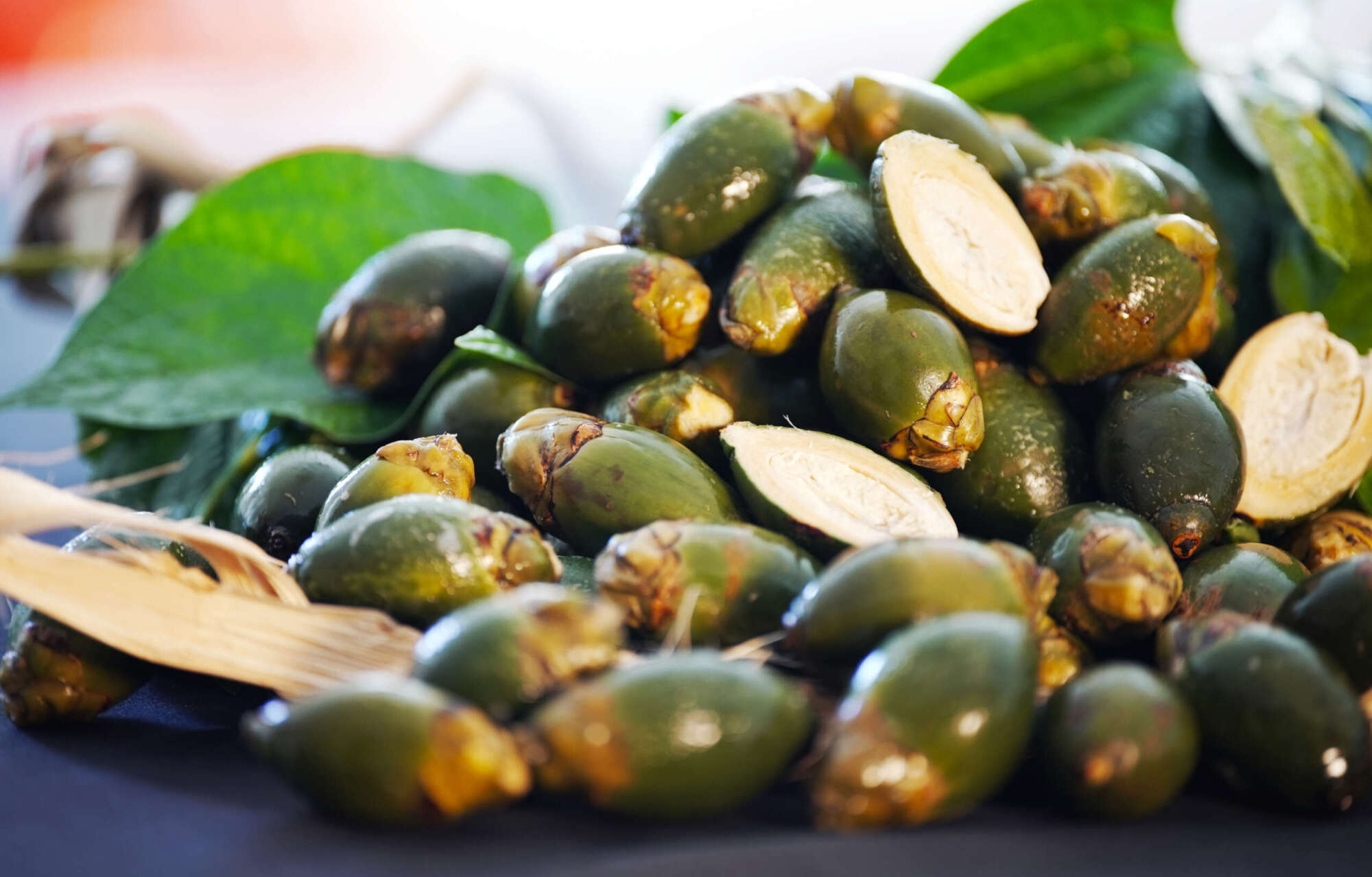
A: Reports from CNMI indicate betel nut chewing is one of the major contributing factors to oral cancer in the nation. Betel Nut chewing is the leading cause of oral cancer in Taiwan.
Q: Is the community currently aware of the adverse health effects of betel nut use?
A: Yes, regulations have been put in place in RMI, CNMI and FSM is in process but has regulations around how you discard betel nut
Q: Why do PI community members use betel nut, and what role does it play in their social lives?
A: This will be collected from upcoming town hall and focus group discussions
Q: How are PI communities in Oregon accessing betel nut?
A: Local Asian and Micronesian grocery stores/markets throughout Oregon. Often purchased with EBT at certain stores.
Q: What are the demographics of those most impacted by betel nut use in Oregon (age, gender, ethnicity, etc.)?
A: Although the percentage of survey respondents who used betel nut was 11.30%, a closer look at the data revealed that betel nut use was largely non-existent among the Polynesian groups that took part in the poll. Tongan, Native Hawaiian/Kanaka Maoli, Samoan/American Samoan, and other ethnic groups were stated as 0%.
For Micronesian populations, the situation is completely reversed. The use of betel nut overall is (15.25%) and the populations that are most prevalent is Palauan (36.96%), Pohnpeian (30.61%), Chuukese (17%), Chamorro/Carolinian/Yapese, and the remaining Micronesian groups (24.49%). The Marshallese were the Micronesian group that used betel nut the least (4.87%).
We saw that older generations are more likely to utilize betel nut when you look at the age distribution of Micronesian populations.The fact that only (4.41%) of people aged 18 to 24 chew betel nut, whereas (57.14%) of people aged 65 and beyond do so, is concerning even though they only make up a small portion of survey respondents. Other age groups with the highest prevalence among Micronesian people were those aged 55–64 (22.22%), 35–44 (19.78%), 25–34 (17.82%), and 45–54 (12.5%).
(51.39%) of folks that indicated they chew betel nut chew it everyday. (90.28%) chew it with tobacco. (80.56%) indicated that they want to quit.
Micronesian men chew betel nut more often than women. 10% of women from the Micronesian populations reported chewing betel nut, whereas (23.08%) of men reported doing so.